Monday, 12 October 2015

Feedback on SCT Webisode Production


Feedback

Mystery Man

Pass
Master shots and some variety of coverage used including high and low angles and close-ups where expected. Continuity for the most part is evident, however conventions such as: 


  • using an establishing shot;
  • shot reverse shot during conversation;
  • match on action;
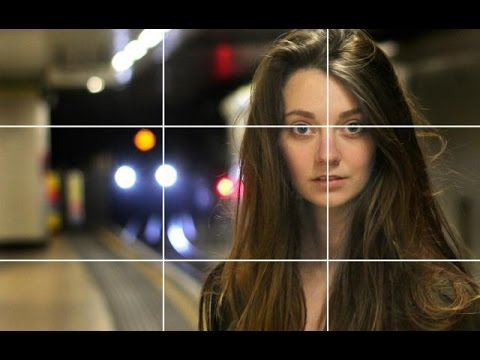
  • Consistently using rule of thirds

...are lacking and should be considered during the storyboard for future productions to move towards Merit.

Some consideration of Narrative conventions such as the dream sequence attempted it is unclear if this is flashback or forward, however there is little sense that this is the Thriller genre as from the characters costumes and location and the slang argument this comes over as an urban drama. It is not immediately apparent this is a webseries as there was limited character or plot development to set up another episode.

Overall you have build a sequence of shots and demonstrated understanding of building a scene, with greater thought needed to how this builds the story.


Last Text

Pass/Merit

Confidence in some of the framing of shots and angles though inconsistent across the sequence. There is some variety of coverage used including high and low angles and close-ups where expected. You have used a master shot however to create drama & suspense you need more coverage to make the attack work (you can see the character's face which removes the mystery and he is sneaking which becomes comedic) Continuity at times is evident, however conventions such as: 


  • using an establishing shot;
  • shot reverse shot during conversation;
  • match on action;
  • Consistently using rule of thirds

...are lacking and should be considered during the storyboard for future productions to move towards Merit.

Some consideration of Narrative conventions such as the interview and the use of hands is effective to make the flashback work and there is a good sense that this is the Thriller genre with conventions such as the police interview, the blood makeup and shooting on location in the woods. It is not immediately apparent this is a webseries as there was limited character or plot development to set up another episode as you have revealed the identity of the attacker so your series has no where to go on from. 

Overall you have build a sequence of shots and demonstrated understanding of building a scene, with greater thought needed to how this builds the episodic narrative. Main improvement - you must not zoom during shots unless it serves a purpose as a steady movement - reframing while recording is poor cinematography. 

Good effort.

Followed


Border/WT Pass

Some confidence in the framing of some shots and angles though inconsistent across the sequence. There is some variety of coverage used including high and low angles and close-ups at times where expected. You have used a master shot however to create drama & suspense you need a lot more coverage to make the sequence interesting - shot lengths are far too long and there is a lack of coverage when gets up - all being 1 long shot. This means he goes out of shot at times. Much of the opening is the same panning shot going backwards and forwards. The shot variety in the sequence improves in the 2nd half around 2 min in. Continuity at times is evident, however conventions such as: 


  • using an establishing shot;
  • shot reverse shot during conversation;
  • match on action;
  • Consistently using rule of thirds
  • a variety of coverage

...are lacking and should be considered during the storyboard for future productions to move towards Merit.

The narrative is really unclear as to what is happening and the pills and waking up help to convey a flashback or memory it is impossible to follow or see how this has become episodic or where the story can go from here. It is not immediately apparent this is a webseries as there was limited character or plot development to set up another episode.

Overall you have build a sequence of shots and demonstrated basic understanding of building a scene, with greater thought needed to how this builds the episodic narrative. Main improvement - you must not zoom during shots unless it serves a purpose as a steady movement - reframing while recording is poor cinematography. 

Creepers

Pass

Greater confidence in the framing of shots and angles though inconsistent across the sequence. There is some variety of coverage used, though high and low angles and close-ups are not demonstrated or used where expected which are required to fulfill the Merit. You have used a master shot however to create drama & suspense you need more coverage to make the scene work (Close ups again lacking to show importance or direct audience to significance in the story such as the phone message or her reaction to it). Continuity at times is evident (180 deg rule has been followed) but not consistent and there are jump cuts, conventions such as: 

  • using an establishing shot;
  • shot reverse shot during conversation;
  • match on action;
  • use of close ups
  • Consistently using rule of thirds

...are lacking and should be considered during the storyboard for future productions to move towards Merit.

The Narrative is a basic linear chronological order, the Thriller genre is not apparent from the characters costumes and location. It is not immediately apparent this is a webseries as there was limited character or plot development to set up another episode.

Overall you have build a sequence of shots and demonstrated understanding of building a scene, with greater thought needed to how this builds the story.

Thursday, 8 October 2015

5.3 Induction Assignment Completion Deadline Webisode


Wednesday, 7 October 2015

wk 5 Building a Sequence of Shots - Master Shots and Coverage (and Blocking)

Starter: How many Single Camera set ups - which position/shot would you start with as your Master Shot

Task: 10 mins recreate the sequence demonstrating Master Shot and Coverage continuity 


Complete your worksheets whilst watching the demonstration in the Studio


Master Shot
"A master shot is a film recording of an entire dramatized scene, from start to finish, from an angle that keeps all the players in view. It is often a long shot and can sometimes perform a double function as an establishing shot. Usually, the master shot is the first shot checked off during the shooting of a scene—it is the foundation of what is called camera coverage, other shots that reveal different aspects of the action, groupings of two or three of the actors at crucial moments, close-ups of individuals, insert shots of various props, and so on."

References:

The initial recording of a scene is usually done with a master shot, a shot wide enough to capture the action in its entirety. But screening the whole scene from a single wide shot would be boring, not to mention all the detail that would be missed.

Crafting a film involves recording a scene from different camera angles using different shot sizes to emphasize important elements of the film, such as a gun in someone’s hand or a tear in someone’s eye. This use of subsequent camera setups is known as coverage. Coverage is important not only to keep things dynamic and exciting within the scene, but also to ease the editing process of the movie.

Observe the example of coverage below from The Thomas Crown Affair (1968). All the shots combined together make the scene very interesting, especially as it contains very elaborate compositions and as it focuses on character’s facial expressions.


Among the several types of shots, we find in the example above long shots, medium shots, close-ups, ECUs, high-angles, inserts, and reactions. In the movie, the scene is practically silent. Yet the amazing coverage is able to convey emotions and tensions.

It is one of the director’s tasks to create a shot list, and thus define how the coverage will be. Before principal photography starts, the director should know where the camera will be and what or who it will shoot. A movie with poor coverage always feels awkward, for it usually impedes the editor from accomplishing the much praised invisible editing.


Coverage (expressing character, creating mood, visually using the camera to tell the story)
The term “coverage” refers to the variety of shots you use to visually tell your story. Think of it not just as covering your scene, but covering your butt in editing. Apart from just breaking up the monotony of a single, long camera shot, getting more shots or additional coverage will provide plenty of opportunities to cut away from your main shot in the editing room. This makes it easy to condense time and work around problem shots. With good coverage an editor can easily condense interviews, events, and demonstrations down to a smooth few minutes to tell a story that’s visually dynamic and one that conveys more info using the visual language of filmmaking. Freestyle and experiment as much as you want when shooting and editing, but know that the filmmakers that get the best results from breaking the rules of screen grammar already know the rules inside and out. Here then, are just a few of the rules.

Establishing Shots

These are often wider exterior shots. An office tower, a subject entering the room, street signs on a city corner, the room the interview is taking place all are examples of typical establishing shots. However, establishing shots can also be as tight as a street sign, a colorful taxi, or any other shot that gives your audience some sense of the flavor of the location. You can use a single shot or show a brief sequence of shots that establishes the atmosphere and activity of a location. Generally, you’d start with your widest shot, then bring the audience into the scene with progressively more intimate shots.

Wide Shots (WS)

Wide shots or master shots are your conservative “safety” shots that will save your scene if that funky creative framing you tried doesn’t work out. It’s the one shot that you can always count on to cover all the action. No matter who’s speaking or what happens—it’s in the master shot. Looking at a master shot we should get some sense of the setting and a full sense of the scale of the main action whether it’s children playing in a stream or simply a subject talking on the phone. If two or more subjects are interacting, try to get an angle that includes all the participants. Until you fully understand the visual language of docs (and probably even after that) you should make it a habit to get a good master shot first. Then go in for tighter and more creative angles as the scene dictates. Ask yourself this question on location: “If I had to communicate this whole scene to an audience with only one shot—what would that shot be?” Whatever you frame up in your monitor in response to that question will probably make for a good master shot.

Medium Shots (MS)

Medium shots are basically framed from the waist up. Medium shots bring the audience in closer to further inform them of what people are wearing or doing. Most notably, medium shots show us a subject’s gestures and body language. You should never underestimate the incredible power of body language in storytelling. Body language and gestures communicate more information in a matter of seconds than speech alone ever could. (That’s why us New Yorkers always gesture to other drivers with

Close Ups (CU)

Now that you’ve told the audience where you are with the establishing shot, and you gave them a medium shot to show them your subject’s dress, action, and gestures, it’s time to get intimate with some close-ups. Close-up shots range from the chest or shoulders up and are often used to capture dialogue, show expression, and otherwise bring your audience close to the character or object on screen. Apart from intimacy, close-ups draw our attention to specific details onscreen.

Tuesday, 6 October 2015

Week 6 & 7: Final Assessment Unit 22.1 Guidance & Resources

Outline of Assessment Tasks & Resources

Task A (Part 1): SCT Portfolio (Google Doc)
Upload all the class videos & describe how you "set up" the camera to record these shots and SCT techniques. Discuss what it is (e.g. what is a Master Shot?)

Example (you could include diagrams where necessary):


  • Rule of 3rds


"rule of thirds is a technique which uses grid lines, for example the primary aspects in the depth of field will line up upon the grid lines. the rule of thirds is used as guidelines to control the placement of images in the scene"


  • 180 deg rule


"the 180 degree rule starts with an establishing shot but with this shot you will pick up a imaginary line in which the cameras can only be on the same side as the establishing shot was. also with this rule it will be an over the shoulder shot not passing the line. otherwise the shot in split screen will be facing each other when they should be facing the same way."

Here is a list of all the SCT you should cover:


Task A (Part 2): Advantage & Disadvantages for your SCT portfolio script 
*(Page 1 = Distinction,. Page 2 = Merit give examples from your production work)


Resource: Advantages & Disadvantages 


Task B: Worksheet we used in Week 2 (did you write this up for Homework?)


Section 1: Genres & Single Cam vs Multi Cam


single or multi
why -  describe
genre
Jeremy Kyle show


BBC Glastonbury


Doctor Who


Graham Norton


Skins


Come fly with me


Utopia


Clips you could refer to:


Task B Section 2: Format & Narrative Structure

What you need to cover:


Formats:
  1. Series
  2. Serials
  3. Single-Drama
Narrative Structure:
  1. Linear/Non Linear Narrative
  2. Episodic Narrative
  3. Open and Closed
  4. Realist and anti-realist
  5. Multi-stranded
Worksheet we used in class and Homework to find your notes & examples you can refer to:

Narrative & Format
1. Format?

2. Multi or Single Stranded?

3. Open or Closed Ending?
Describe why
Explain purpose & use/effect on audience experience
Children of men


Breaking Bad finale


Walking Dead


Dexter finale


Shutter island


Merit/Distinction Example response:
"Skins does have an unusual narrative structure; it is both a serial, in that episodes follow one another chronologically, and also a series, each programme is self contained. The programme focuses on one character from the ‘gang’ in each episode, and most of the rest of the gang will appear in each ‘others’ programme; the ‘focus’ character must always be onscreen unless they’ve just left or are about to arrive (the exceptions are the final episode (Everyone: 9) and ‘Effy’ (8) which cross cuts between Effy ‘on the loose’ and Tony’s search for her."

Format worksheet from Homework Week 2


definition (narrative)
characteristics (eg open ended, multi-stranded)
examples
comparison to the other 2 (similarity and differences)
series


serials


LOL

single drama


Black Mirror


Resources:


Monday, 5 October 2015

Week 5 Homework & Prep (due 14th October)

DUE 14th October - estimated time 2 hours

Prep:
Upload all outstanding tasks videos and practical edits to your blog, and read your feedback to know how to improve your drafts for SCT

Read over the Final Assignment Guide and know what is required of you


Task 1: Complete your Pre-production Report using the feedback given to secure a PASS or PASS/MERIT grade (you will have another opportunity when you plan your short film - remember this is a learning from experience task)

From the class feedback:
  • Cover all sub-headings
  • Be specific about the actual requirements to make your GROUP's webisode (what crew, locations, props, actors etc)
  • Be specific about where you will source them and how? Ie Recces, Copyright free websites - which? etc.
  • Be specific about how you will manage and organise the process - production schedules, call sheets, recruiting crew based on experience and ability to do the job responsible for
  • Be specific about which funding option is most likely for you
  • Explain how health and safety and liability insurance are important to your shoot, and which agencies would be involved?
  • Why would the BBFC NOT regulate your webisode and would DO they do? 
  • Explain how a professional production would do this - VGHS - agencies, facilities houses etc

Task 2: SCT Report 1: Techniques, Purpose, Advantages and Disadvantages
500 words

Read over the guide - DO NOT COPY OR PLAGIARISE
http://ctkmedial3shortfilm.blogspot.co.uk/2015/09/unit-22-notes-on-segmented-shooting.html

Using your completed webisode upload the class videos you shot on Single Camera Techniques and write a section on how and why you used these techniques in your webisode.

Use the notes from your worksheet to help 


Post this as Youtube annotations to the examples discussed and post the transcript to the blog.


Resource 


Friday, 2 October 2015

Groupings for Webisode production


Starter: How many different shoots were required for the 1st 3 minutes?
Feedback from assessment:
Webisodes that were pitched selected based on fulfilling genre, format and narrative 
  • Maya
  • Ugonna
  • Tamaira
  • Shanee

All groups based on homework record

Outline of approach Each group will take 1 scene from the 3 minutes and produce that section. So in your groups of 3 you will be working together in 'Units' to produce the whole sequence

Group 1: Nigel, Ugo, Maya
with
Group 2: Daniesha, Eunice, Dejhanea

Group 3: Kiera, Tamaira, Ese
with Group 4: Shanee, Dan Storey, Jordan

Group 5: James, Michael, Luke Gray
with Group 6: Dan T, Lawrence, Ashley Davy 

Group 7: Tommy, Kenny, Calvin (Workshop Shoot)
with Group 8: Roopa, Rosie, Tim (Workshop Shoot)

All students must take location photos of themselves on site and contributing towards the shoot


Thursday, 1 October 2015

4.1 preproduction storyboard

Objective: to know how to produce a lined script and shot list

Starter:


Pass: produce a script, shot list and storyboard & recce to allow the production to progress
Merit: produce a script, shot list, storyboard, recce and shooting schedule using conventional layouts

Unit 1: preproduction techniques 

Unit 22: single camera techniques

Pre-production Templates to download http://www.filmsourcing.com/blog/production-documents/

Task1: Lining a script to create a shot list http://dannyfsantos.hubpages.com/hub/How-to-do-a-script-breakdown


Use the Handouts to Summarise the resources to outline and describe 5 significant points of how to line a script & it's purposes

Task 2: Practice with example

While waiting for the script to be completed by your group partner, recreate the lining of the Matrix scene


Write this up on your blog along with an example of Your lined script


Lining your script to shot list to storyboard


Script, Shot List, Storyboard from Ray Hocker on Vimeo.


Shot List https://vimeo.com/blog/post/making-a-shot-list

Use the worksheet to Summarise the resources to outline and describe 5 significant points of what a shot list should contain & it's purposes


Task 3: Storyboards
How to draw and make notes and directions on storyboards even if you can't draw


Storyboarding how to: professional layouts
Summaries the videos into 5 significant points